PPI Report: What Online Merchants Need to Know About Inflation Trends
The latest PPI report signals shifting inflation patterns—here’s how online retailers can adapt their pricing and inventory strategies.
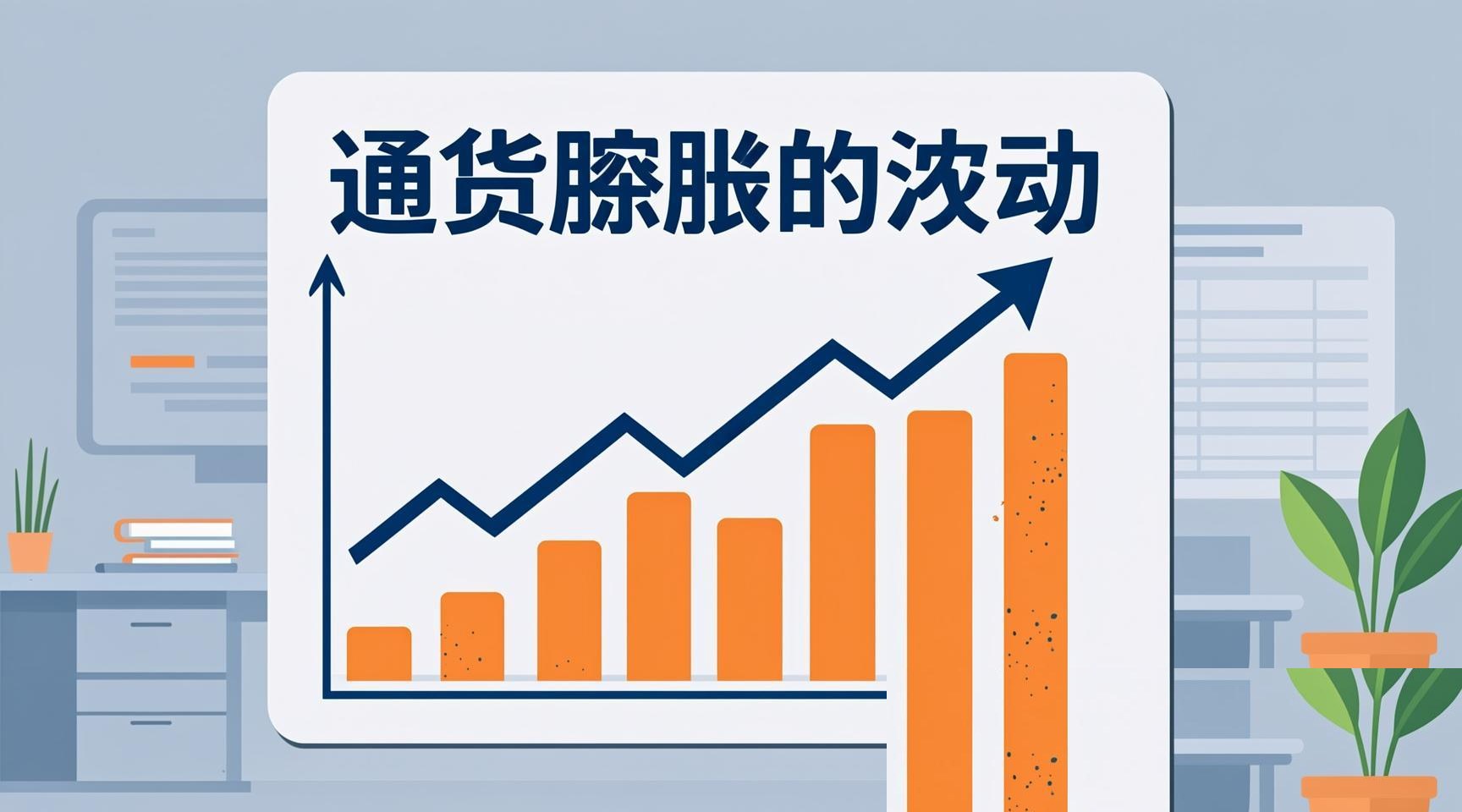
The Producer Price Index (PPI) report is back in the spotlight, with searches surging as businesses and economists dissect its implications for inflation. For online merchants, this isn’t just economic news—it’s a roadmap for navigating cost pressures, consumer spending, and pricing strategies in the months ahead.
What the Latest PPI Report Reveals The PPI measures wholesale inflation, tracking changes in prices received by domestic producers for their goods. A spike in the latest report suggests rising production costs, which often trickle down to retail prices. For online sellers, this could mean squeezed profit margins or the need to pass costs to consumers—though that’s not always straightforward in a competitive e-commerce landscape.
Key takeaways from the current data include: - Manufacturing costs up: Higher input prices for goods like apparel, electronics, and home goods. - Transportation volatility: Fuel and shipping costs continue to fluctuate, impacting fulfillment expenses. - Services sector pressure: Rising costs in logistics and warehousing could affect overall supply chain efficiency.
How Merchants Can Respond Strategically Online retailers can’t control inflation, but they can control how they react. Here are actionable steps:
### 1. Reevaluate Pricing Models Dynamic pricing tools can help adjust margins based on real-time cost changes. For example, a home goods retailer might temporarily bundle items to offset higher production costs without raising individual prices.
### 2. Diversify Suppliers Relying on a single supplier or region increases risk. Exploring alternative vendors or nearshoring options can mitigate cost shocks from PPI-driven inflation.
### 3. Communicate Transparently with Customers If price adjustments are necessary, being upfront about cost pressures (e.g., “Due to rising material costs, we’ve adjusted prices slightly”) can maintain trust better than surprise hikes.
Long-Term Opportunities Amid Uncertainty While inflation trends pose challenges, they also highlight the importance of agility. Merchants who use data from reports like the PPI to forecast demand and optimize inventory can turn volatility into a competitive edge. For instance, stocking up on non-perishable goods before cost spikes or leveraging high-margin categories to balance out rising expenses.
Staying ahead of economic indicators like the PPI isn’t just about survival—it’s about smarter, more resilient e-commerce operations.
¿Lo quieres en tu tienda?
Empieza gratis — sin tarjeta, configuración en 2 minutos.