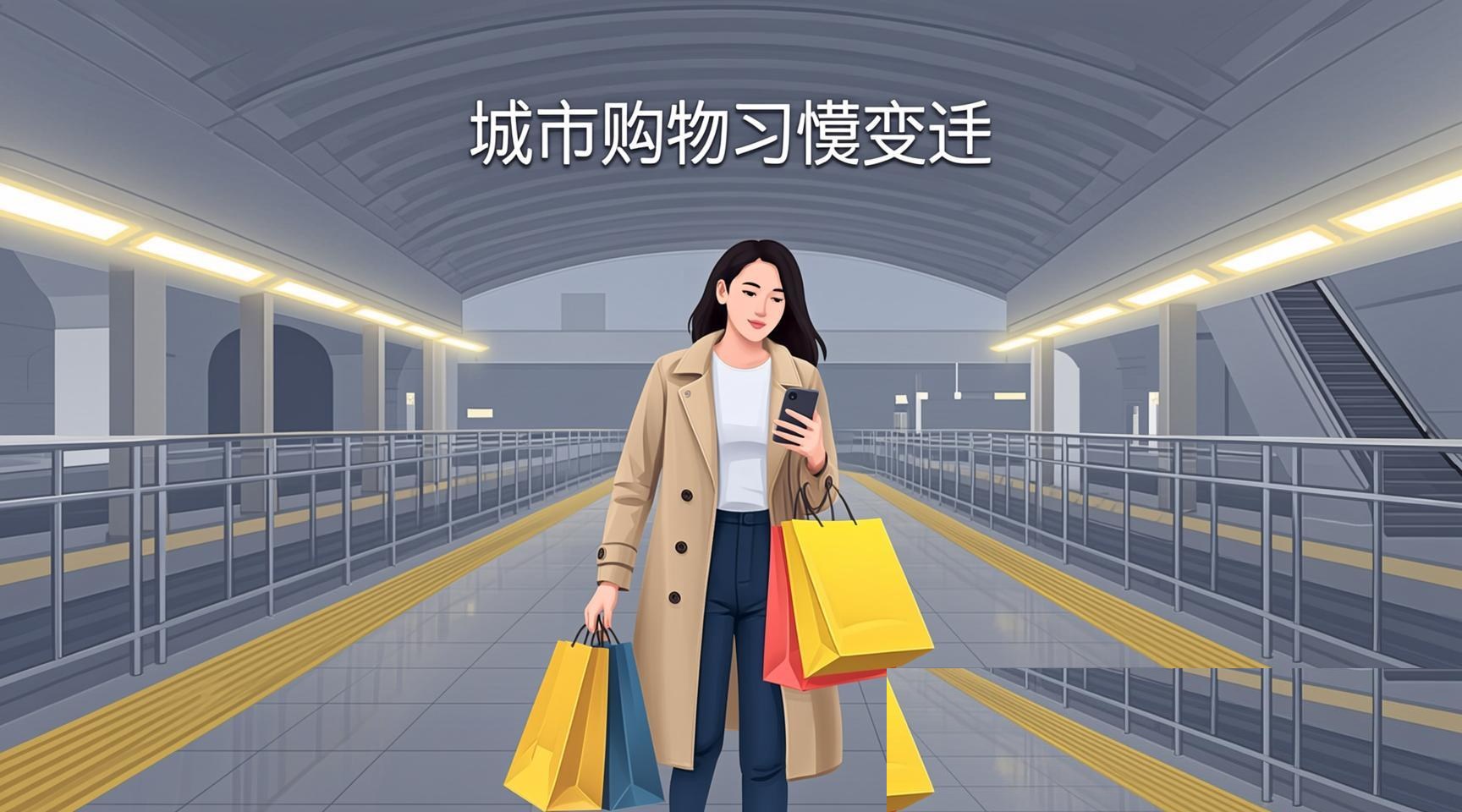
How Subway Station Trends Reflect Changing Urban Shopping Habits
Exploring the rise in subway station searches and what it means for brick-and-mortar retailers in urban areas.
How Subway Station Trends Reflect Changing Urban Shopping Habits
Subway stations are more than just transit hubs—they’re becoming unexpected hotspots for consumer activity. With "subway station" spiking to 10,000+ searches on Google Trends, it’s clear people are paying attention to these urban crossroads. But what’s driving this interest, and how can retailers tap into it?
The Surge in Subway Station Searches
The recent spike in "subway station" searches could be linked to several factors. Major cities like New York, London, and Tokyo have been rolling out upgrades to their transit systems, making stations more accessible and appealing. Additionally, the rise of "transit-oriented development"—mixing retail, dining, and services with public transport—has turned these spaces into mini-shopping destinations. For consumers, subway stations offer convenience, and for businesses, they’re untapped real estate with high foot traffic.
Retailers’ Opportunity: Pop-Up Shops and Kiosks
One of the most direct ways to capitalize on this trend is through pop-up shops and kiosks inside or near subway stations. Think of how brands like Nike or Uniqlo have set up temporary stores in high-traffic transit hubs. These locations are perfect for impulse buys, quick restocks, or experiential marketing. For example, a coffee shop could offer a "commuter discount" to passengers, while a beauty brand might sample travel-sized products. The key is speed and convenience—shoppers in transit don’t have time to browse lengthy menus or wait in long lines.
Data-Driven Placement: Where to Focus
Not all subway stations are created equal. Merchants should analyze foot traffic data to identify which stations see the most commuters during peak hours. For instance, a station near a major office park might be ideal for lunchtime food and beverage sales, while one near a university could cater to student needs like snacks or tech accessories. Tools like Google Trends can reveal regional interest, but local transit authority data will provide the granular insights needed to make smart decisions.
The Future of Transit-Retail Integration
As cities continue to prioritize mixed-use development, subway stations will only grow in commercial importance. Forward-thinking retailers are already experimenting with technology like digital screens for targeted ads or contactless payment systems to speed up transactions. For now, the subway trend is a reminder that physical retail isn’t dead—it’s just finding new spaces to thrive. For merchants, the question isn’t whether to engage, but how creatively they can leverage these transit hubs to reach busy, on-the-go shoppers.