U.S. Bond Market Sell-Off: What Retailers Should Know About Consumer Spending Shifts
The recent U.S. bond market sell-off is more than just financial news—it’s a signal that consumer behavior may be shifting. How retailers can prepare for a potential slowdown.
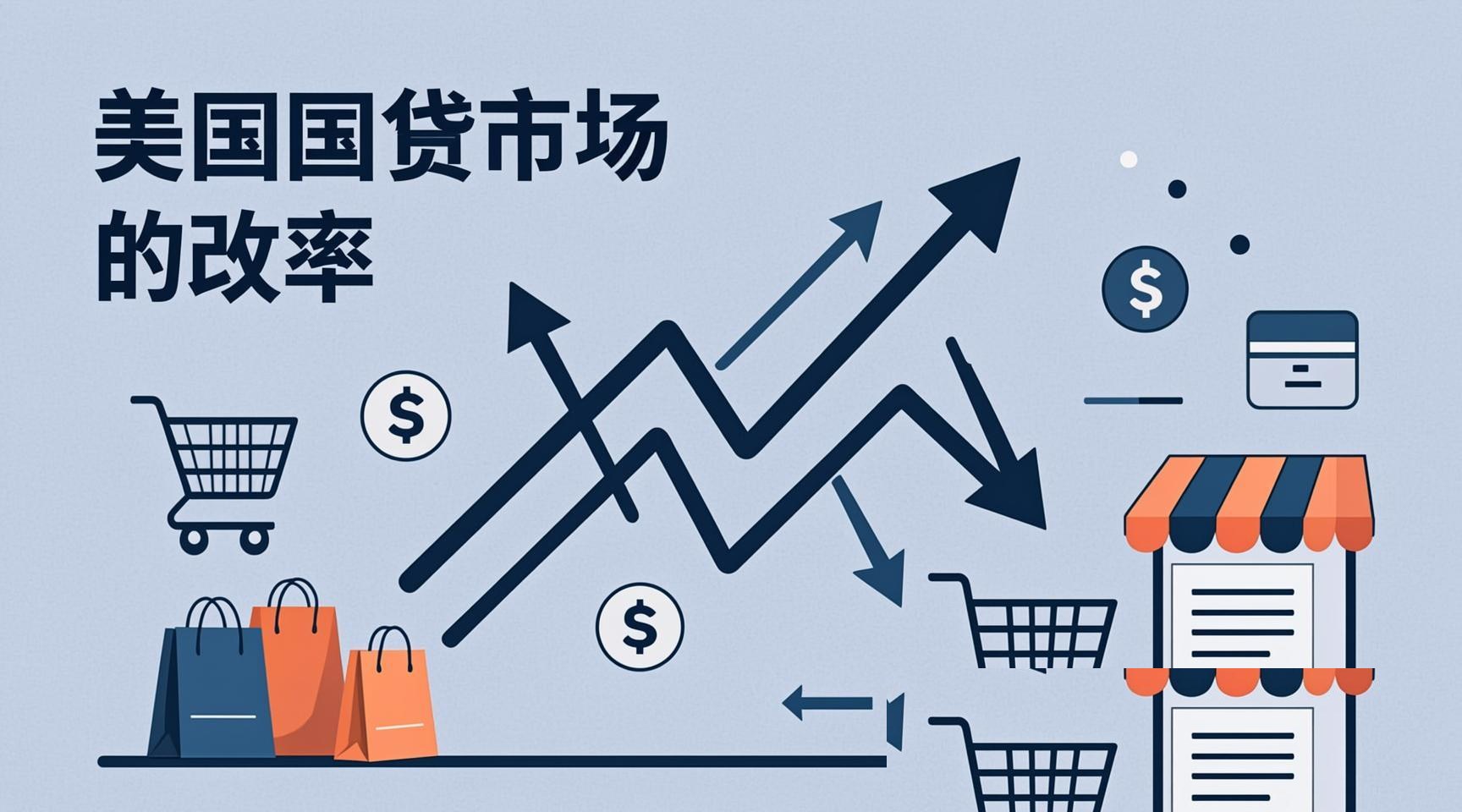
With 2,000+ searches in a single day, the "U.S. bond market sell-off" has captured public attention. While this might seem like niche financial news, it’s actually a bellwether for consumer behavior. When bond yields spike, it often signals economic turbulence—and that means shoppers may soon tighten their wallets. For online merchants, understanding this trend isn’t just about staying informed; it’s about survival.
What the Bond Market Sell-Off Means
In simple terms, a bond market sell-off happens when investors flee to safer assets, causing yields (interest rates) to rise. This typically happens when inflation fears or recession loom. For consumers, this translates to higher borrowing costs—mortgages, car loans, and even credit card rates go up. The result? Less disposable income. Historically, this has led to a dip in discretionary spending, which hits retail hard, especially for non-essential goods like clothing, electronics, and luxury items.
Historical Parallels in Retail
Look back to 2022, when the Fed raised rates aggressively. Retail giants like Walmart and Target reported inventory gluts and markdowns as shoppers cut back. The pattern is clear: when money gets tight, consumers prioritize needs over wants. Even Amazon, once immune to economic dips, saw growth slow as shoppers traded Prime for budget alternatives. The lesson? No retailer is immune to macroeconomic shifts.
How Merchants Can Adapt
So, what can online sellers do? First, stress-test your business. Review your customer acquisition costs and lifetime value. If your CAC is rising while LTV falls, you’re in a vulnerable spot. Next, diversify your product mix. High-end, discretionary items may see a slowdown, but value-driven or essential products often hold steady. Think of Dollar General, which thrives even in downturns by catering to budget-conscious shoppers.
Another strategy is to lean into payment flexibility. Afterpay and Klarna have surged in popularity because they let consumers spread out payments. For higher-ticket items, offering installment options can keep sales flowing even when wallets are tight. Also, consider targeting recession-resistant niches—think home goods (people still nest) or affordable luxuries (small treats to offset stress).
The Opportunity in Uncertainty
Economic anxiety isn’t all doom and gloom. Savvy retailers can turn it into an opportunity by positioning themselves as allies. Messaging around value, sustainability, or practicality can resonate deeply. For example, a clothing brand that emphasizes "timeless pieces over fast fashion" might attract shoppers looking to make smarter, longer-term purchases.
The bond market sell-off isn’t just a headline—it’s a warning. For online merchants, the key is to anticipate, adapt, and stay agile. Because when the economy shifts, the retailers who listen to the signals are the ones who weather the storm.
Want this on your store?
Start free — no credit card, 2-minute setup.